
Diaspora to Mainstream: How Immigrant Communities Create Mainstream Cultural Products
Owen C Tynes
9/15/20254 min leer
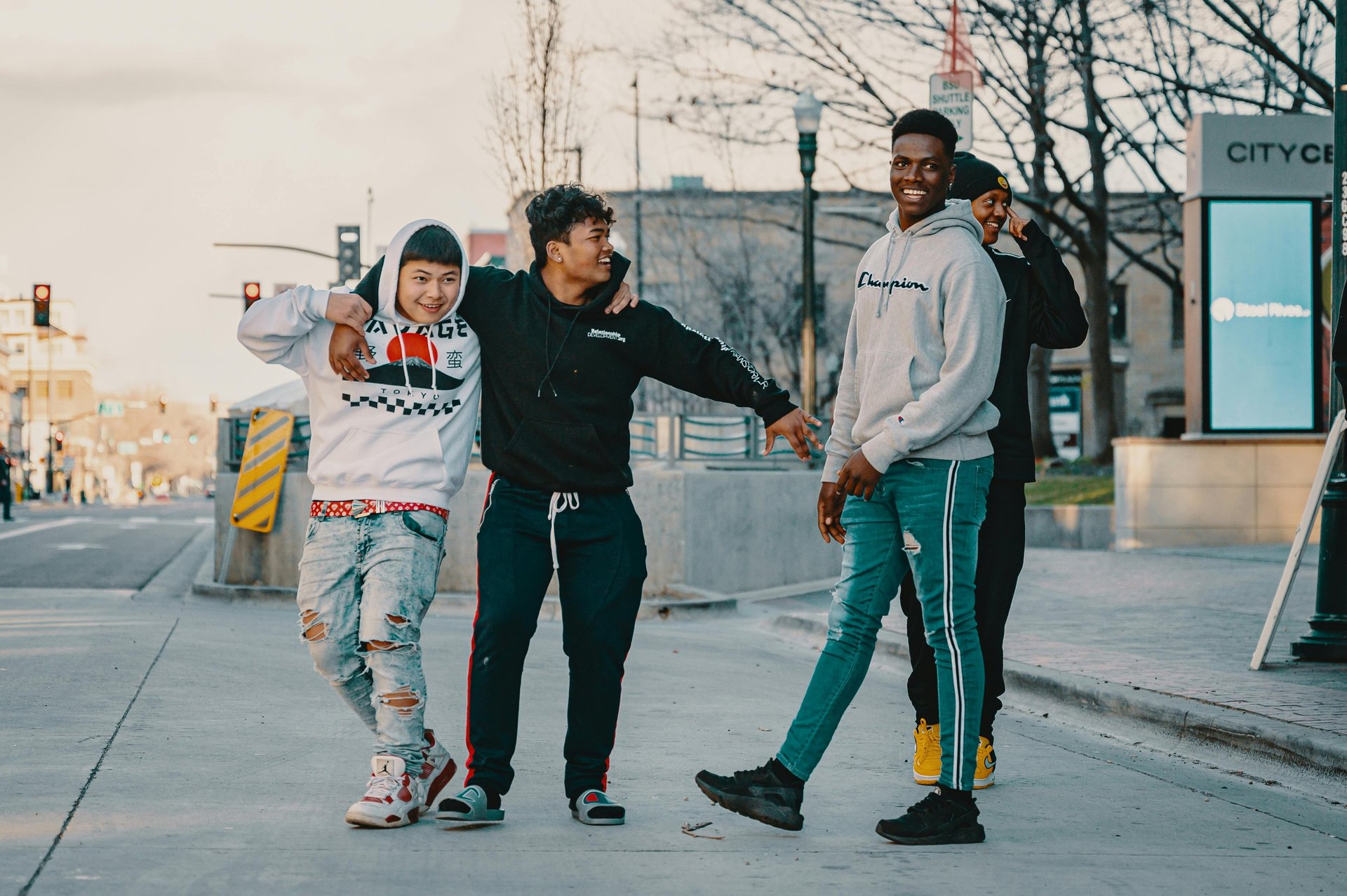
From iconic street names to popular slang terms, there's no doubt that immigrants can shape the culture of the country they relocate to.
Consider the roll call. The American “cowboy” inherits his toolkit from Mexican vaqueros; roping styles, chaps, even the word “rodeo” itself were carried north by Hispanic horsemen and embedded in ranching and rodeo culture across the West. In Los Angeles, a Japanese chef adapting to American tastes helped mint the California roll—inside-out rice, avocado, and crab—a gateway that mainstreamed sushi across the country. Berlin’s döner kebab, popularized by Turkish migrants in the 1970s, became Germany’s on-the-go meal of choice.
How does this happen? A pattern repeats. Increased migration seeds new tastes and aesthetics in markets, restaurants, barbershops, and block parties, where hybridization becomes natural. Early adopters are adjacent communities and night-shift workers, assisted by a small circle of tastemakers distributing the product through informal channels. DJs, aunties, street vendors, and neighborhood figures introduce items once familiar to one community to the next. When a dish or a sound becomes the most convenient answer to everyday questions—“What’s for lunch?” “What plays at parties?”—it stops reading as “immigrant” and becomes integral.
A famous example is Britain’s national dish, chicken tikka masala. After the British Nationality Act of 1948 and post-war labor shortages, South Asian migration to the UK surged. Despite laws in the 1960s designed to curb immigration, South Asian communities grew. Political instability during the Pakistan civil war and the decolonization of Africa added inflows through the early 1970s, when the iconic UK curry house took its distinctive form. Around this time, chefs in Glasgow, most notably Ali Ahmed Aslam of Shish Mahal, are widely credited with devising a creamier, tomato-rich tikka masala to suit local palates unaccustomed to the intensity of South Asian spice. The dish exploded in popularity alongside the restaurant boom that followed those migration trends. By 2001, Foreign Secretary Robin Cook called chicken tikka masala a “true British national dish,” shorthand for how migration had rewritten mainstream taste. Today, South Asians are visible across British life—entertainment, business, politics—and the Chicken Tikka Masala story explains how increased immigration helped shape the modern UK.
It also depends on how racial populations interact. In 1970’s New York, Puerto Ricans adopted hip-hop from their Black American neighborhoods, then ferried those aesthetics back to the island and blended them with Caribbean rhythms to mint reggaeton. In the 1990s Latin American immigration to the U.S. jumped, and so by the mid-2000s via Daddy Yankee’s “Gasolina”, Reggaeton had cemented itself as a mainstream genre. Because U.S. media and policy often compress diverse national origins into a single pan-ethnic “Hispanic/Latino” category, Reggaeton gained massive traction inside Latino markets. Today, Reggaeton sits at the forefront of popular music across Latin America, drawing more attention in Spanish-speaking countries despite its U.S.-based origins. Afrobeats, by contrast, has surged amid large post-2000 increases in African immigration to the U.S., yet the public generally associates it with Black American music; frequently appearing on the DJ decks of parties and clubs frequented by Black Americans, despite not being their own cultural product. Hence, Tems’ solo records like “Free Mind” and “Love Me Jeje” appear on Billboard Hot R&B/Hip-Hop charts (previously known as the “Black Music” charts), while Bad Bunny’s do not, despite being an artist with a much larger footprint performing a genre directly inspired by Hip Hop.
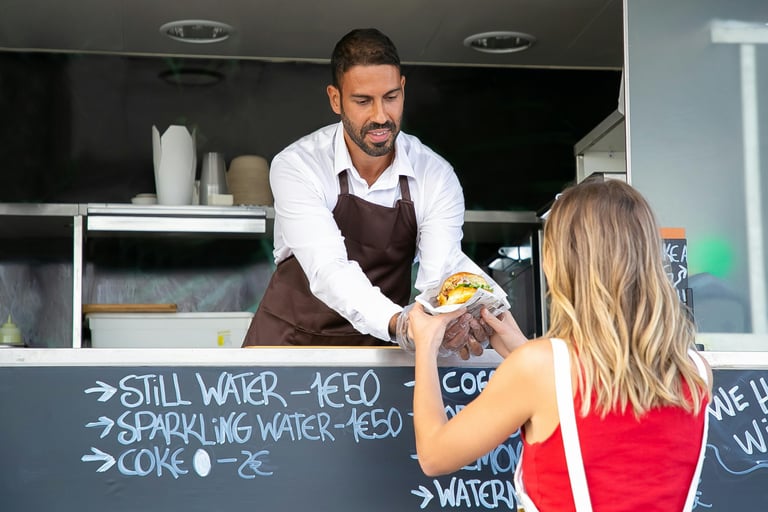
In the modern age the same global shifts are accelerating—and big companies are responding. In the last 15 years, East Asian audiences have moved into the center of mainstream storytelling and cultural discovery: Pixar’s Turning Red and Marvel’s Shang-Chi provide examples of recent Asian leads in massive franchises, while K-pop’s commercial footprint now tops global charts. Even more recently, South Asians in North America have been entering a parallel moment; Canada’s demographic tilt shows sustained inflows from India and a South Asian share at 7.1% of the population, and in the United States roughly half of Indian immigrants arrived in 2010 or later—dense, recent communities with outsized cultural leverage. Mainstream cues are visible, with Conan O’Brien greeting Indian viewers in Hindi during the 2025 Oscars broadcast, and the new Smurfs film featuring a Punjabi song on its official soundtrack.
The operational readout for brands is simple: if you make products for these audiences, use the current surge in market size and cultural visibility to build with the diaspora. Fund creators who connect with these specific communities, converting attention into currency. As these global shifts alter the landscape of the nations we live in, ensuring that your company is taking advantage of the changes rather than keeping up with them will be crucial for long term success. History shows us that diaspora communities can be the upstream of mainstream culture, and a reliable early signal of where mass taste will land.
Connect
Your partner in multicultural influencer marketing solutions.
Explore
Engage
info@3rdculturesolutions.com
© 2025 Third Culture Solutions LLC. All rights reserved.