
Let's Revisit Cultural Appropriation
How our work at Third Culture Solutions and the "H Mart Girl" social media controversy made me realize that many people are confused about what constitutes "cultural appropriation", and why it needs to be discussed.
O.C. Tynes
12/3/20257 min read
I realized that we need to revisit cultural appropriation while I was working on an influencer marketing promotion this past October.
The concept was simple: non-South Asian influencers in traditional Desi attire surrounding the Diwali festival season. Although Third Culture Solutions typically focuses on diaspora-based influencers, it wasn’t difficult to assemble a list of creators who fit the brief. What did take time, was compiling a list of influencers who would actually agree to the brief.
The influencers I reached out to had no issues with the timeline, editing expectations, or promotional deliverables. Their hesitation was due to something else: the fear of being accused of cultural appropriation. According to Encyclopedia Britannica, “cultural appropriation” is when members of a majority group adopt cultural elements of a minority group in an exploitative, disrespectful, or stereotypical way. In the era of “cancel culture,” where a single misstep can permanently damage a creator’s career, these (white) women were reasonably concerned that putting on a Lehenga for a Tiktok could be seen as a disrespectful and unwelcomed adoption of South Asian culture.
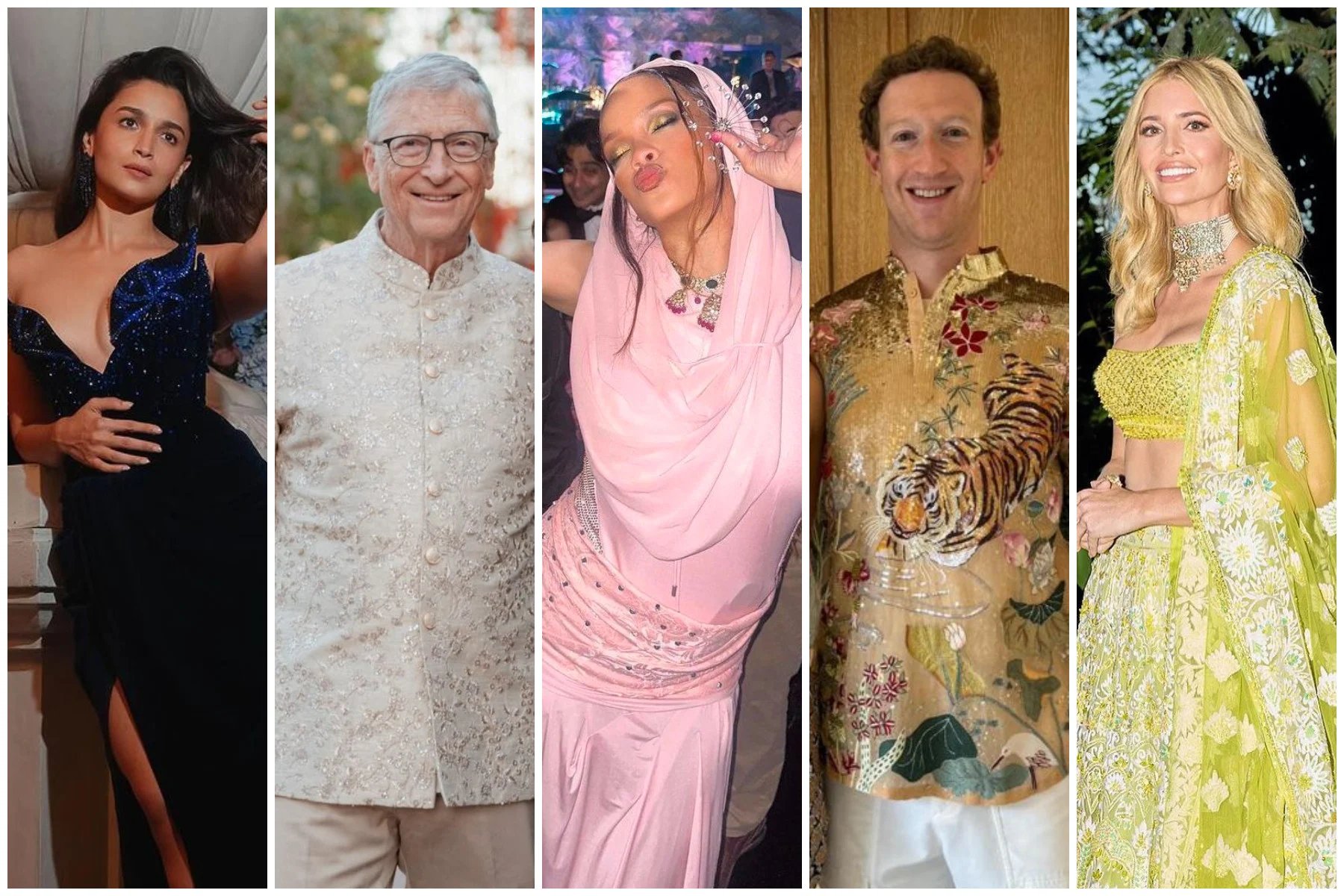
I understood why they were reluctant, but from my perspective, the fear seemed irrational. Social media provides plenty of evidence that non-South Asians wearing South Asian attire is not only accepted, but actively welcomed in many scenarios. Who could forget the Kardashians’ appearance at the Ambani wedding, or the variety of looks at Lilly Singh’s Diwali party? Not to mention the infamous Asoka trend of 2024, which saw beauty creators from all cultural backgrounds recreate Indian bridal styles. In many circumstances, dressing in traditional Indian clothing is treated as a sign of respect and participation, not an offense. Clearly this is a part of South Asian culture that they are more than happy to share with the world (granted that credit is given where it is due).
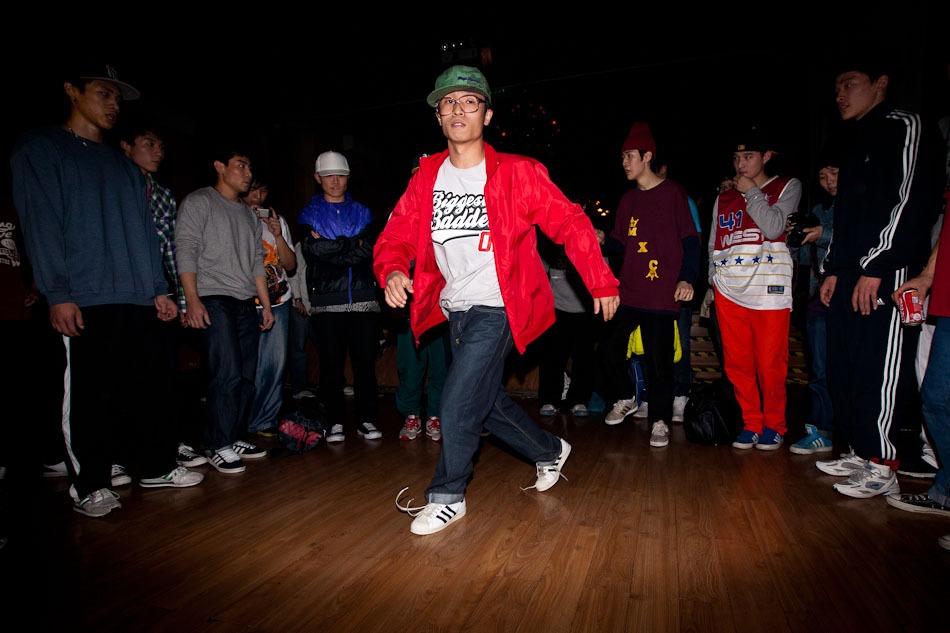
However, it’s also possible I’m being naive. Recently, the Asian American community has been embroiled in a social-media controversy many are simply calling “H Mart girl”. The catalyst was a mixed-race Asian content creator who admitted (somewhat jokingly) that she sometimes side-eyes White shoppers at Asian grocery stores, implicitly questioning whether they ‘belong’ in those spaces.
While the original TikTok was fairly mild and self-effacing, the clip circulated widely over the Thanksgiving holiday, and netizens began sharing their opinions on her confession. Reactions were fairly mixed, with some stating that her behavior is ridiculous and others validating her skepticism. Several creators made videos in response to the discourse, many of whom had views even more radical than the original creator: claiming yes, White people SHOULD feel uncomfortable in Asian grocery stores and other primarily Asian spaces.
The differences between Indian clothing and Asian food are worth acknowledging; many Asian Americans have spoken openly about the ridicule they faced growing up, especially regarding the food they brought to school, only to watch those same dishes become “trendy” years later. But people in the majority group trying to navigate a diverse environment while avoiding accusations of appropriation are unlikely to fully absorb these nuances. Instead, they’re likely to adopt a much more useful and actionable lesson from the discourse: it’s strict out here. Even something as benign as trying that new food pushed to the front of everyone’s algorithm could earn you one of the most detested labels of them all: a racist.
Of course, I don’t think anybody on either side of the H-Mart girl discourse would claim White people are “racist” for shopping at an Asian grocery store—that would be ridiculous. But many White Americans worry that even a minor misstep, or something that could be interpreted as racially insensitive, puts them on thin ice. Studies have shown that even discussing race often provokes anxiety in White Americans due to the fear of being called racist.
Ironically, this dynamic produces a counterproductive outcome: a society that incentives the majority group to pay even less attention to minority issues. It becomes safer and more progressive for them to pay no attention to topics of race and culture rather than question how they affect our communities. And if discussing race itself is taboo, how can we meaningfully address racial blind spots and transgressions? The result is a communication stalemate, since for many White Americans, the anxiety around “saying the wrong thing” prevents any of the engagement necessary for genuine learning. The most well-meaning White Americans will often just blindly nod along to whatever they hear from a person of color regarding these topics without ever announcing any confusion or disagreement; replacing an authentic and thorough understanding of minority perspectives with passive (and often begrudging) compliance.

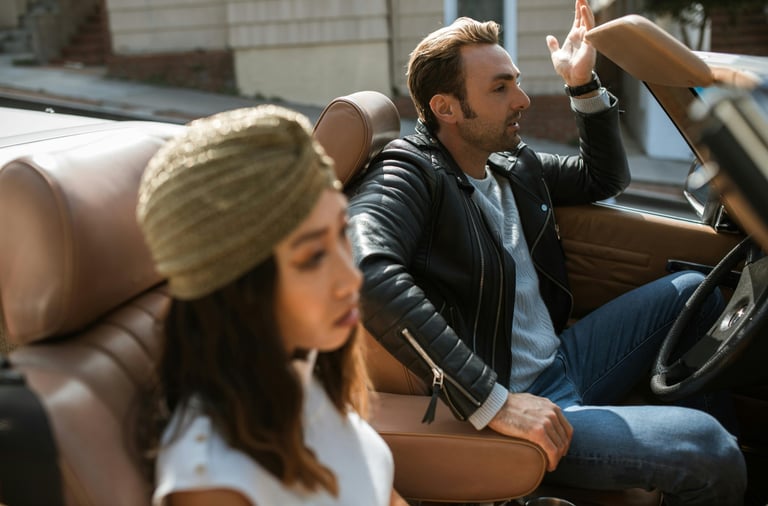
Another contributor to this dynamic is the fact that members of diaspora communities can be quick to launch accusations of cultural appropriation due to the social environments they are raised in. A famous example of this was seen in 2018 when a White American teenager wore a Chinese QiPao for her prom dress. While many Chinese Americans were offended by her actions, accusing her of cultural appropriation, commenters in China largely applauded the young girl and told her to ignore the backlash. The stark contrast highlighted a recurring pattern: diaspora communities often reacting more defensively to cultural borrowing than those living within the culture itself.
Anthropologist Lauren Nilsson explores why many people from diaspora communities may feel more sensitive about certain aspects of their heritage in her thesis on “Indo-chic” fashion, stating:
“First, they spoke about growing up diasporic South Asian in a white majority nation, experiencing racism, and racist bullying…Second, they mentioned witnessing Indo chic in some capacity, but mostly in fashion culture between the years of 2012 and 2018. Third, they discussed how witnessing Indo chic made them feel confused, angry, or amused and often all three emotions at the same time.” (pg. 141)
She goes on to discuss how for some girls, the awareness of cultural appropriation coincides with them learning to embrace their home culture after years of attempting assimilation (pg. 167). Contrastingly, when seeing Westerners in Indo-chic clothing styles, “they felt their complex diasporic identities to be threatened or erased, a feeling triggered by the ease with which non-South Asians can wear Indo chic styles daily” (pg. 29).
This implies that these accusations of cultural appropriation are not always an unbiased assessment of problematic behavior, but a response from someone wrestling with their own emotions regarding their identity. Furthermore, as minorities living under the dominance of the majority culture, they feel increased pressure to preserve their cultural identities, making them more territorial over certain elements of it. This is not to dismiss claims of cultural appropriation or to suggest they are rooted in personal insecurity; rather, it helps explain why assessments of what constitutes “appropriation” often diverge between homeland communities and their diasporic counterparts—why diaspora reactions often appear stricter, more protective, or emotionally charged.


While it is important to affirm the validity of cultural appropriation, it is also important to ensure that we have a coherent understanding of what it means. As noted earlier, cultural appropriation is when a minority culture is presented “in an exploitative, disrespectful, or stereotypical way.” When a culture is exploited, such as when someone develops a famous artistic discipline based on African art and benefits immensely without acknowledging its origins, that is cultural appropriation. When a culture is disrespected, such as when someone darkens their face and dons a turban for a Halloween costume, that is cultural appropriation. When a culture is flattened into stereotypes, such as when Jamaican and Rastafarian iconography are associated with cannabis products (although this example does acknowledge the origins), that is cultural appropriation. A white person searching for the viral instant ramen brand at a Chinatown grocery store, wearing Indian clothing for their Diwali outfit, or sharing their opinion on the latest rap beef, probably isn’t doing anything worth unpacking. Cultural exchange, as long as it is acknowledged and not presented in a demeaning or stereotypical manner, is rarely harmful, and often reflects the natural way cultures circulate around the globe.
Even more crucially, it’s important people recognize that cultural appropriation does not make someone racist. In many cases, it stems from curiosity or admiration for a foreign culture, even if expressed clumsily. For example, when phrases from English dialects spoken by minorities are demeaned before finding their way into the mainstream lexicon as ‘slang’, this is cultural appropriation, but that doesn’t mean every British teenage boy calling his friends “the mandem” is racist. If someone is told their behavior may constitute appropriation, the response should be a conversation about context, history, and impact, not immediate condemnation and fear-based retreat.
Still, none of this resolves the core challenge at hand. It’s impossible to have everyone agree on what behavior is “disrespectful” or “exploitative”, especially for different ethnic groups with different histories. My hope is not to establish a rigid rulebook, but to recognize how casually accusations of cultural appropriation are currently deployed, and encourage more thoughtful, good-faith dialogue about the concept.
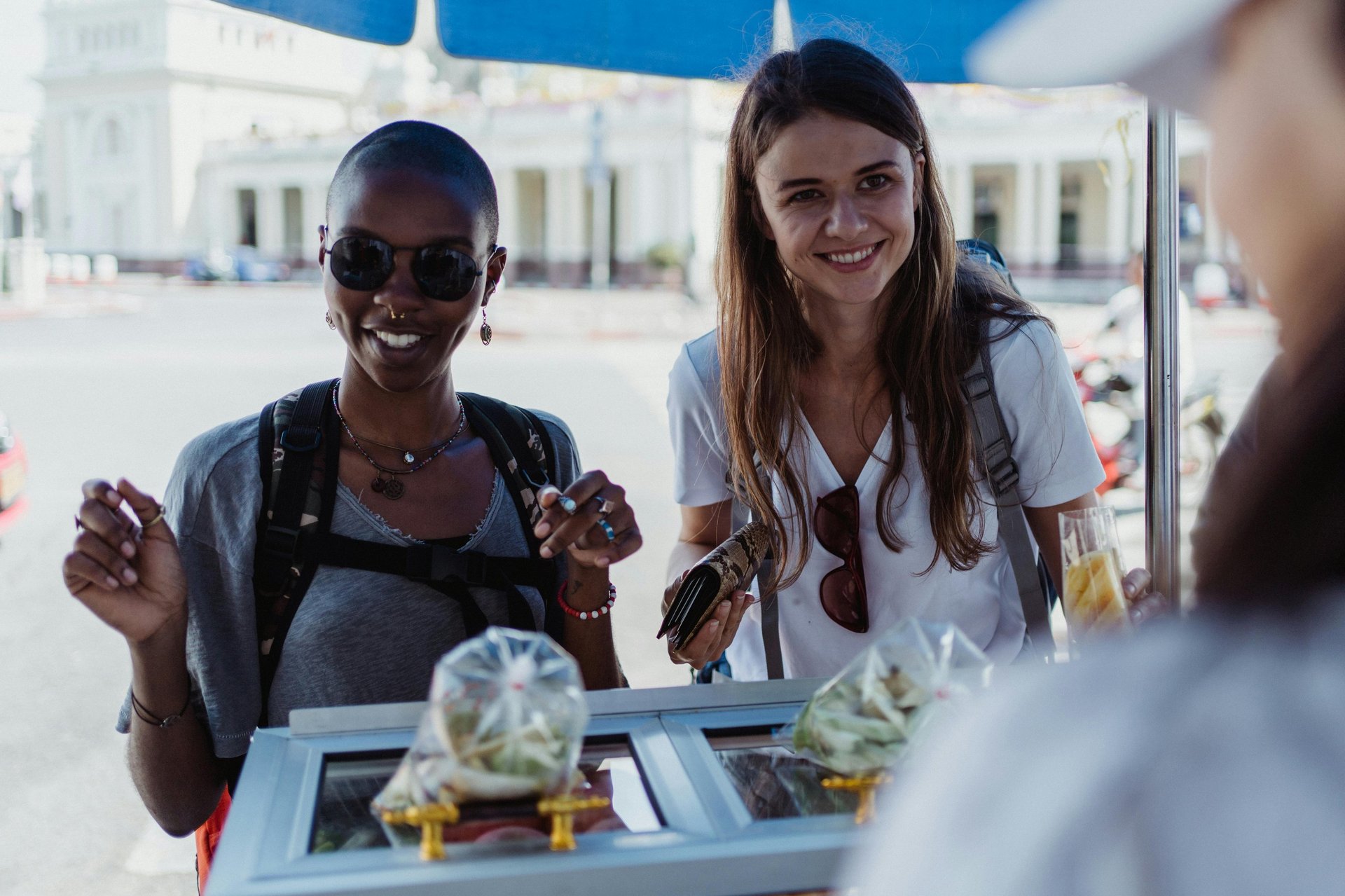
While I wish I could’ve explained all of this to the apprehensive influencers I reached out to, the client ended up going with another agency, so my services were no longer required. Either way, the recruitment process became a valuable experiment that showed me just how essential open, nuanced conversations about race and culture have become.
North America is now more diverse than ever, and as our communities grow increasingly interconnected, people will naturally encounter, learn from, and participate in cultures that aren’t their own. Discussions regarding cultural exchange shouldn’t be seen through a lens of oppression and privilege, but one of coexistence; how we live alongside one another in a world where the towering walls that have traditionally defined cultural boundaries have turned into short wired fences that we can all easily see over.
If we want a future where cross-cultural interactions provoke admiration and enthusiasm instead of nerves, people need room to ask questions, make mistakes, and learn without fear, so that a more diverse society yields more connection instead of more conflict.
Connect
Your partner in multicultural influencer marketing solutions.
Explore
Engage
info@3rdculturesolutions.com
© 2025 Third Culture Solutions LLC. All rights reserved.